Understanding God's Aseity: Foundation of Reformed Theology
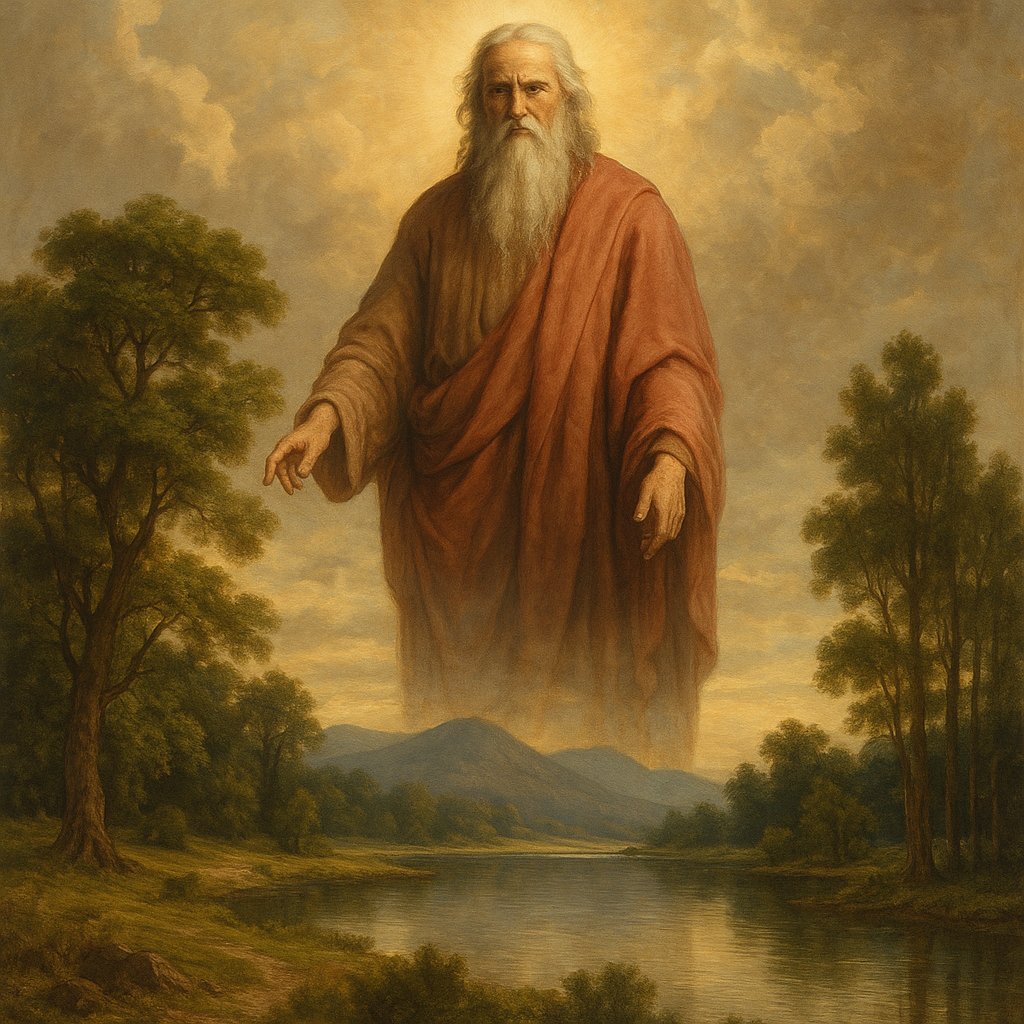
Understanding God's Aseity: Foundation of Reformed Theology
God's aseity, a fundamental concept in Reformed Theology, refers to the self-existence and independence of God. This doctrine asserts that God is the ultimate cause of all that exists but is not contingent upon anything outside Himself for His existence or nature. In an age where understanding the divine seems elusive to many, the doctrine of God's aseity provides a foundational bedrock of the Christian faith, illuminating the nature of God and His relations to creation. The richness of this doctrine transcends mere intellectual curiosity; it informs the believer’s worship, fuels theological reflection, and shapes the pastoral practice of the Church. This article aims to explore the significance of God's aseity, drawing from Scripture and the insights of key Reformed theologians like John Calvin and Herman Bavinck, to better appreciate its vital role in our understanding of God.
The Biblical Basis for God’s Aseity
The concept of God's aseity is firmly grounded in Scripture, revealing the nature of His self-existence. The phrase “I AM WHO I AM” found in Exodus 3:14 presents God as the uncaused cause, existing independently of His creation. This declaration does not merely denote existence but conveys God's eternal nature, emphasizing that He is not bound by time or space. Moreover, Isaiah 40:28 proclaims God's eternal nature: “the Creator of the ends of the earth. He does not faint or grow weary; his understanding is unsearchable.” Here, we see a God who is not only self-existent but also actively involved in sustaining creation, reinforcing His independence and sovereignty.
The New Testament further affirms this truth. Acts 17:24-25 states that “The God who made the world and everything in it, being Lord of heaven and earth, does not live in temples made by man, nor is he served by human hands, as though he needed anything,” highlighting God's self-sufficiency. This self-sufficiency directly correlates with His aseity, establishing that He necessitates nothing from creation, thus governing all things unilaterally. Each of these passages contributes to a robust biblical portrait of a God who is entirely self-sufficient and autonomous.
Historical Perspectives on God’s Aseity
The doctrine of aseity has been a prominent theme in Reformed Theology since the Reformation. John Calvin, in his Institutes of the Christian Religion, elucidates the necessity of affirming God's self-existence as pivotal to understanding God's nature. Calvin refers to God’s essence as being “not dependent upon any other,” a theme echoed through Reformed confessions. He asserts that any attempt to understand God beyond His self-sufficiency risks the integrity of His divine nature.
Herman Bavinck, in his magnum opus, Reformed Dogmatics, further expounds on God's aseity, positioning it as essential to the very conception of God’s attributes. Bavinck argues that God’s independence sets Him apart from all other entities and stresses that dependence on anything external would compromise His divinity. According to Bavinck, acknowledging God’s aseity fosters a correct understanding of His sovereignty, omnipotence, and intimate relationship with creation.
Moreover, the insights of theologians like Louis Berkhof and R.C. Sproul further reinforce this understanding. Berkhof asserts that God demonstrates His aseity in His creation, while Sproul highlights that without aseity, God risks being diminished to a mere extension of the universe. This historical lens reveals a rich tapestry of thought regarding God’s independence and self-existence.
Implications of God’s Aseity in Christian Worship and Living
Understanding God's aseity has profound implications for worship and the Christian life. Firstly, recognizing God’s independence shapes our theological framework, emphasizing His sovereignty over all creation. Believers are encouraged to approach God not as a needy being, but as the ultimate fountain of all life, which promtes a posture of reverence and awe in worship. Psalm 90:2 illustrates this beautifully: “Before the mountains were brought forth, or ever you had formed the earth and the world, from everlasting to everlasting you are God.” This perspective invites worship that acknowledges God’s eternal and unchanging nature, encouraging believers to place their trust in a God who is never contingent upon human circumstance.
Moreover, the acknowledgment of God's aseity fosters humility among believers. Understanding that God exists independently serves to remind us of our creatureliness and reliance upon Him for sustenance, both spiritually and physically. In John 15:5, Jesus affirms this relationship: “I am the vine; you are the branches. Whoever abides in me and I in him, he it is that bears much fruit, for apart from me you can do nothing.” This acknowledgment of our dependence allows for a relationship characterized by trust and reliance, freeing us from the burdens of self-sufficiency.
Concluding Thoughts: The Relevance of Aseity Today
In an era of existential uncertainty and shifting worldviews, the steadfast truth of God’s aseity offers a reassuring anchor for faith amidst chaos. The doctrine teaches us about the supreme independence of God, positioning Him as the immovable foundation from which all truth flows. For contemporary Christians, understanding God's aseity equips them not only with a profound appreciation of His divine nature but also a coherent framework for engaging with the world. It encourages believers to place their faith in a sovereign God who needs no validation or support, thus fostering a deeper relationship with Him.
Key Takeaways
- God's aseity indicates that He is self-existent and independent of creation.
- Biblical affirmations of aseity can be found in passages such as Exodus 3:14 and Acts 17:24-25.
- Prominent Reformed theologians like Calvin and Bavinck underscore the necessity of understanding God's aseity.
- The doctrine shapes Christian worship and invitations to humility in the believer’s life.
As you reflect on the principles of God’s aseity, how does this understanding shape your relationship with God?
Further Reading
- John Calvin, Institutes of the Christian Religion
- Herman Bavinck, Reformed Dogmatics
- Louis Berkhof, Systematic Theology
About the Author
Enjoyed this? Support the writers keeping CrazyChurch.net running and spreading the word.
Buy Us a Coffee