Do Christians Still Have to Obey the Mosaic Law?
Introduction
The Mosaic Law is a foundational element within the biblical narrative, comprising a crucial part of God's covenant with Israel. Many modern believers grapple with the relevance of these ancient commandments in their lives today. Are Christians bound to observe the Mosaic Law, or was its role uniquely fulfilled in Christ? This question invites deep theological reflection and understanding. In this article, we will explore the applicability of the Mosaic Law today from a Reformed theological perspective, examining its historical context, its fulfillment in Jesus Christ, and its continuing ethical significance for believers. Ultimately, we will discern how the Mosaic Law can guide Christians in their faith journey while rooting our understanding in Scripture and Reformed thought.
Understanding the Mosaic Law: Historical Context
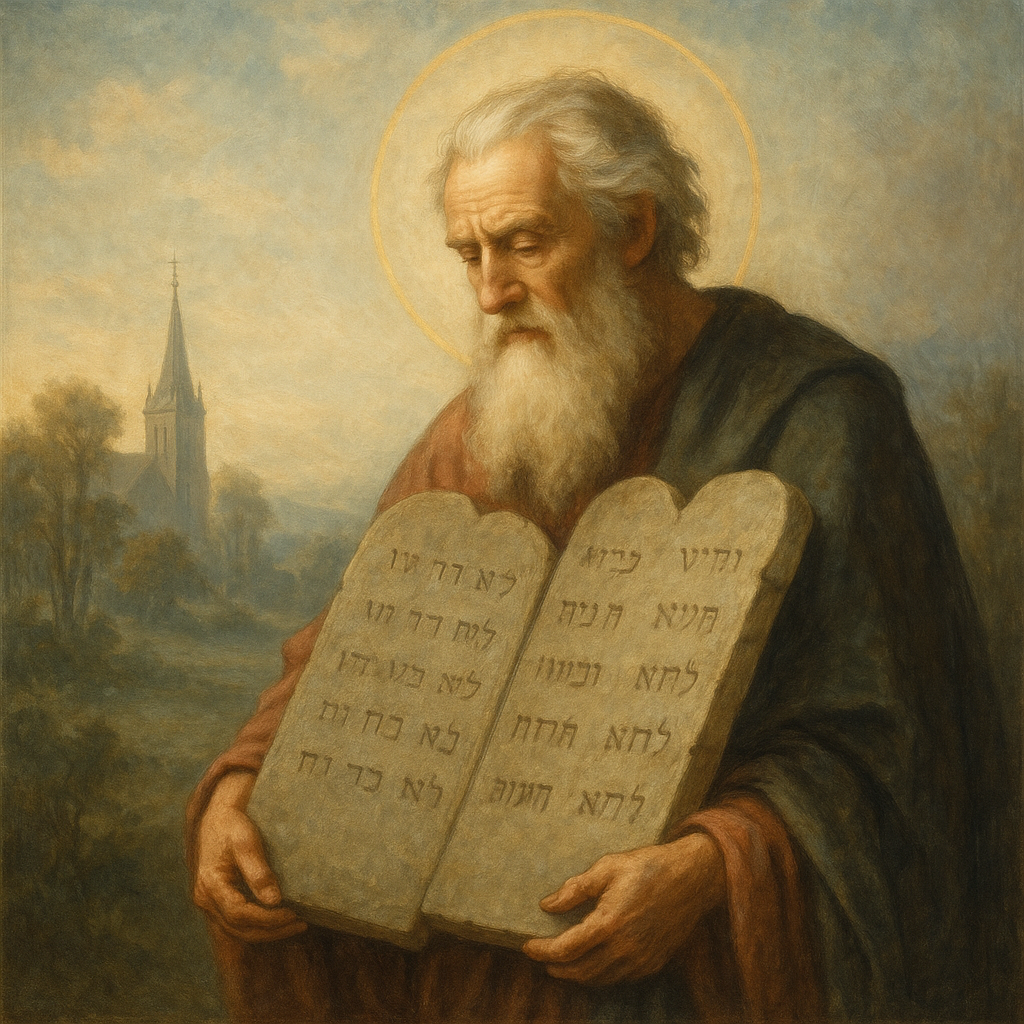
To grasp the significance of the Mosaic Law, it is crucial to explore its historical and covenantal context. The Law, given through Moses on Mount Sinai (Exodus 19-20), functioned as a delineation of God's will for Israel, setting apart the nation from others. Its essential purpose was to maintain a covenant relationship between God and His people. Calvin noted that the moral law articulates God's eternal principles, which transcend cultural boundaries, while Bavinck emphasized its role in showcasing human depravity and the need for grace.
The Law is divided into three main categories: moral, ceremonial, and civil laws. The moral law, encapsulated in the Ten Commandments, reflects God's character and ethical standards (Exodus 20:1-17). The ceremonial law governed Israel's worship and sacrificial system, prefiguring Christ's sacrificial death (Hebrews 10:1-4). Civil laws addressed societal issues and justice among the Israelites, reflecting a God-centered community's lifestyle.
Understanding these distinctions is vital because it frames the ongoing conversation among Reformed theologians regarding the applicability of the law in the life of believers today. Indeed, the moral law continues to instruct Christian ethics, whereas the ceremonial and civil laws have been fulfilled in Christ.
The Fulfillment of the Mosaic Law in Christ
Central to the Reformed perspective is the belief that Jesus Christ fulfills the Mosaic Law. As articulated in Matthew 5:17, Jesus states, "Do not think that I have come to abolish the Law or the Prophets; I have not come to abolish them but to fulfill them." In this fulfillment, Jesus embodies the moral law, thereby setting a new standard for righteousness (Romans 8:3-4). His life, death, and resurrection satisfied the requirements of the ceremonial law and broke down the barriers that previously separated humanity from God (Ephesians 2:14-15).
Sproul emphasizes that while the specific practices of the ceremonial law—such as animal sacrifices—are no longer necessary, the moral law remains binding on Christians. Furthermore, the ethical principles of the Mosaic Law find resonance in Christ's teachings and the apostolic writings. Paul argues that believers are not under the Old Covenant, yet they are called to uphold the spirit of the Law through love and grace (Romans 13:8-10).
The Role of the Moral Law Today
The enduring relevance of the moral law is a significant topic in Reformed theology. The moral law serves as a guide for Christian conduct, reflecting God's unchanging character. Hodge famously stated, "The law is the rule of duty, and, as such, it binds all men at all times." The moral imperatives found in the Ten Commandments continue to resonate in the hearts of believers as they seek to live in a manner that glorifies God.
James 1:25 describes the moral law as the "perfect law of liberty," which indicates that embracing God’s commands leads to a life characterized by true freedom. Rather than being shackles, these commandments provide a framework by which believers can navigate ethical dilemmas and societal challenges. The moral law, therefore, is not simply a relic of the past; it is a living document that instructs believers on how to love God and neighbor effectively.
Moreover, the New Testament’s affirmations of the moral law reinforce its relevance; passages like Ephesians 4:25-32 lay out ethical imperatives rooted in the Old Testament, signifying continuity between the two testaments. Thus, Reformed Christians understand that the moral law continues to guide believers in making decisions reflective of God’s will.
The Mosaic Law and Community Ethics
The implications of the Mosaic Law extend beyond individual ethics to community life. Reformed scholars often emphasize that the Law shapes not just personal morality but also social justice. Berkhof noted that Christian ethics, grounded in God's moral law, should influence societal norms and political engagement.
In our contemporary context, issues such as poverty, racial justice, and environmental stewardship resonate with the spirit of the laws God provided to Israel. For instance, the Old Testament commands to care for the stranger (Leviticus 19:9-10) and to act justly (Micah 6:8) highlight the necessity of social responsibility among believers.
The church, as a community of faith, is called to live out these ethical standards, demonstrating the reality of God's kingdom on earth. This means advocating for the oppressed and promoting justice—an outworking of the moral law that transcends time and culture. As believers grapple with contemporary issues, the moral imperatives of the Mosaic Law offer timeless wisdom and direction.
Part of Covenant Theology's biblical storyline — see also the Abrahamic Covenant that precedes it and the Davidic Covenant that follows.
Key Takeaways
- The Mosaic Law, while fulfilled in Christ, continues to offer ethical guidance, particularly through the moral law.
- The moral law reflects God’s unchanging character and serves as a rule of life for Christians today.
- The ceremonial and civil laws served a unique purpose in the Old Covenant and find their fulfillment in Christ.
- The moral law remains relevant in shaping community ethics and social justice, guiding believers in societal engagement.
As we reflect on the significance of the Mosaic Law in today's context, it calls believers to seek a deeper understanding of their relationship with God and their role in the world. How might we, as individuals and communities, fulfill the spirit of the law in our lived experiences?
Further Reading
- Calvin, John. Institutes of the Christian Religion. This foundational work provides insight into the role of the law in Christian life and emphasizes its moral implications.
- Bavinck, Herman. Reformed Dogmatics. In this comprehensive theology, Bavinck addresses the covenantal context of the law and its relevance for believers.
- Turretin, Francis. Institutes of Elenctic Theology. Turretin offers a thorough examination of law, grace, and their interplay in Christian doctrine.
About the Author
Enjoyed this? Support the writers keeping CrazyChurch.net running and spreading the word.
Buy Us a Coffee