History of John Calvin: The Reformer’s Lasting Impact
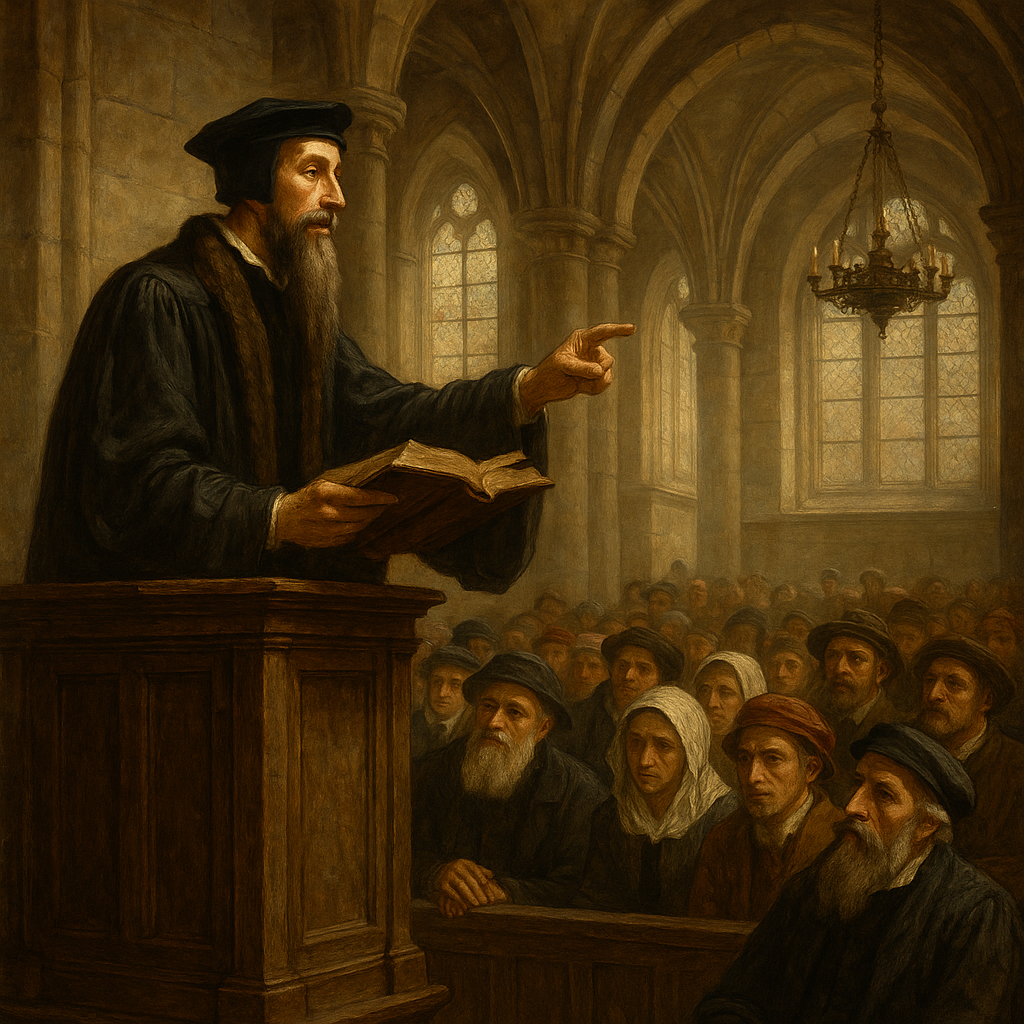
Introduction
John Calvin, one of the pillars of the Reformation movement, continues to shape the landscape of Christian theology centuries after his death. Known for his profound influence on Reformed tradition, Calvin’s theological insights and pastoral principles offer a blueprint for understanding God’s sovereignty, grace, and the authority of Scripture. This article delineates his early life, theological contributions, and enduring legacy, presenting a comprehensive look at a man whose writings, particularly the "Institutes of the Christian Religion," laid the groundwork for modern Reformed thought. By exploring Calvin's life and work, we can gain appreciation for his role as a reformer and how his beliefs still resonate within contemporary Christianity.
Early Life and Education
John Calvin was born on July 10, 1509, in Noyon, France, into a family of relatively modest means. His early education was supported by his father, who recognized Calvin's intellectual potential. After attending the University of Paris in 1523, he studied law and later humanities, including humanistic studies, which would shape his theological outlook. His exposure to the works of scholars like Erasmus influenced his reformist thoughts and commitment to Scripture. Notably, Calvin's early experiences within the Catholic Church laid the groundwork for his future theological challenges.
As a child in a church, where he observed the rituals without a true understanding of faith, Calvin would later echo sentiments from Romans 10:17, where Paul writes, "So faith comes from hearing, and hearing through the word of Christ." This foundation created a yearning for deeper spiritual truth, directing him toward the Reformation movement.
Conversion and Early Writings
Calvin’s conversion to Protestantism came around 1533, an event catalyzed by his close acquaintance with reformist ideas. After fleeing France due to persecution, he found refuge in Basel, Switzerland, where he began writing his seminal work, "Institutes of the Christian Religion." The first edition was published in 1536, and it became a foundational text for Reformed theology.
Calvin asserted the sovereignty of God, emphasizing the doctrine of predestination, which he succinctly articulated in his writings. He contended that God's grace is irresistible and that salvation is solely through faith, echoing Ephesians 2:8-9, which states, "For by grace you have been saved through faith, and that not of yourselves; it is the gift of God." These doctrines not only challenged the prevailing Catholic views but also laid the groundwork for a distinctively Reformed approach to Christian faith, which would later be elaborated upon by theologians such as Bavinck and Hodge.
Ministry in Geneva
In 1536, Calvin settled in Geneva, where he would serve as a pastor and reformer. While there, he faced significant opposition but persevered in implementing his vision for a church reform that was grounded in Scripture and marked by moral discipline. Calvin’s works, including the "Ecclesiastical Ordinances," established a structure for governance in the church, intertwining the roles of civil authority and ecclesiastical life in ways that influenced future political thought, particularly the notion of a covenantal community.
Calvin’s charisma and theological authority helped usher in a radical reformation that led to the formation of a new ecclesiastical body. His view of the church as a community of believers who were active in promoting Biblical values found its roots in Hebrews 10:24-25, which encourages believers to consider how to stir one another up to love and good works. The legacy of his Geneva was a blueprint for future Reformed churches worldwide, marking a shift towards a more disciplined, biblically-grounded public life.
Influence on Theology and Culture
Calvin's theological impact transcended ecclesial boundaries. His works shaped the trajectory of Western thought, especially regarding civil government, individual liberty, and the relationship of church and state. As noted by theologians like Turretin, Calvin’s perspective on the doctrine of two kingdoms remains influential, encapsulating the tension between secular and sacred authorities.
Moreover, Calvin’s emphasis on the sufficiency of Scripture prefigured the later developments in Protestant theology that emphasized personal engagement with the Bible, advocating a faith that is both deeply intellectual and profoundly personal. As Calvin argued, “It is, therefore, not a superfluous service to God if we embrace the books that he has given us to be our guides.” His teachings ripple through communities to this day, as many Christians reflect on their faith through the lens of Scripture.
Legacy and Enduring Impact
After Calvin’s death in 1564, his teachings flourished, influencing the Protestant Reformation throughout Europe and reshaping the cultural landscape. His influence is visible not only in the church but also in social structures, education, and governance. The Reformed tradition, rooted in Calvin’s teachings, underscores a distinctive theological framework that asserts the sovereignty of God, the importance of Scripture, and the relevance of faith to all areas of life.
Today, contemporary theologians and scholars like R.C. Sproul continue to expound upon Calvin's work, ensuring his legacy as a thinker and reformer endures in modern discussions of faith and practice. His teachings provide a theological foundation for understanding grace and truth within a pluralistic society. The call to engage with Scripture and embody Christian principles in all aspects of life continues to resonate with believers today.
Key Takeaways
- John Calvin's early life and education molded his reformist theology.
- His major work, "Institutes of the Christian Religion,” emphasized God's sovereignty and grace.
- Calvin's ministry in Geneva redefined church governance and the social fabric of reformered communities.
- His teachings on predestination and the authority of Scripture influenced both ecclesial and secular structures.
In reflecting on Calvin’s impact, one might ponder: How does the interplay of faith and reason in our lives today reflect Calvin's teachings?
Further Reading
- John Calvin, Institutes of the Christian Religion
- Herman Bavinck, Reformed Dogmatics
- Charles Hodge, Systematic Theology
About the Author
Enjoyed this? Support the writers keeping CrazyChurch.net running and spreading the word.
Buy Us a Coffee