Federal Headship Explained: Understanding Our Covenant Roots
Introduction
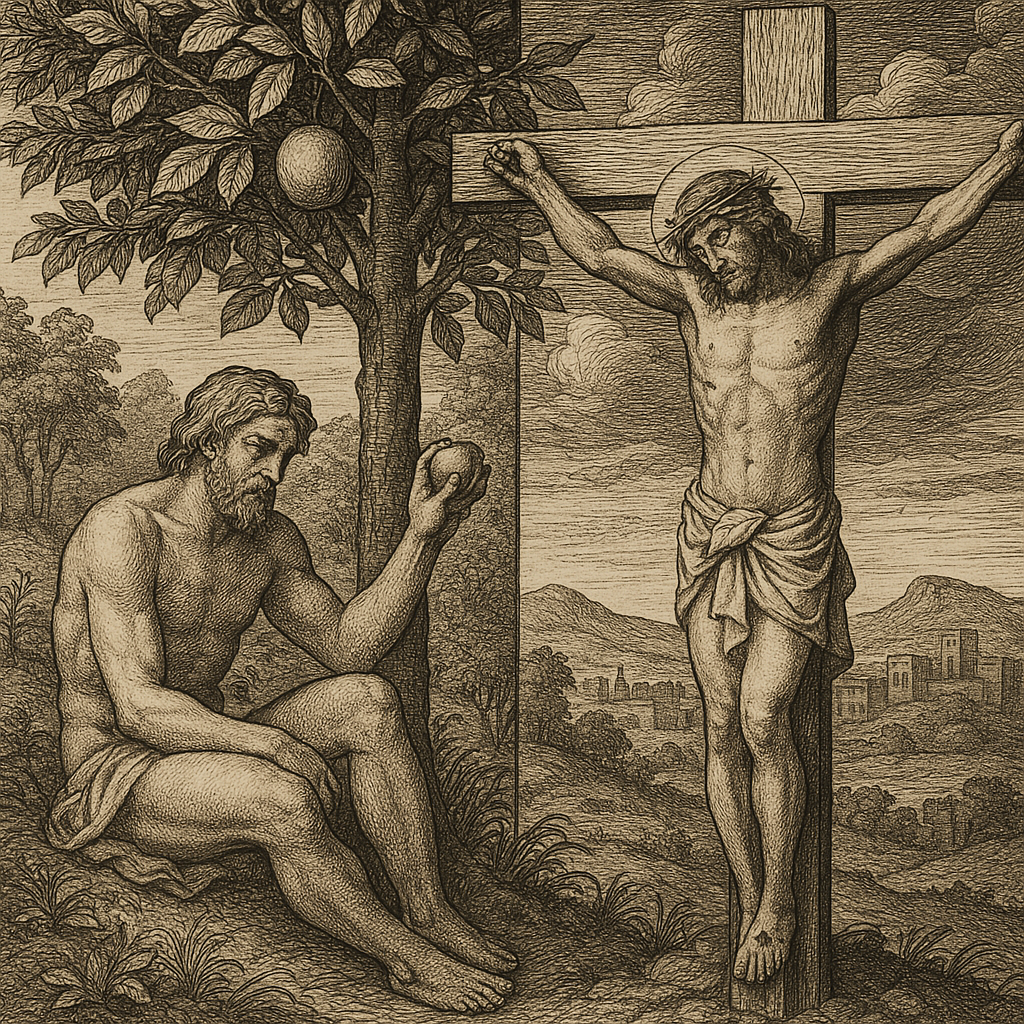
Federal headship is a cornerstone of Reformed theology that significantly shapes our understanding of sin, salvation, and our relationship with God. This doctrine posits that Adam, as the first human, serves as the representative head of all humanity. Thus, his actions in the Garden of Eden—specifically, his disobedience—have profound implications for every individual born thereafter. The Reformed tradition teaches that through Adam’s sin, guilt and corruption are passed down to all people, while Christ, as the second Adam, provides redemption through His obedience and sacrifice. In this article, we will explore the theological roots of federal headship, its biblical basis, its implications for understanding original sin and salvation, and its relevance for contemporary Christian living.
The Biblical Foundation of Federal Headship
The concept of federal headship finds its roots in scripture, primarily from Genesis and the Pauline epistles. In Genesis 2:15-17, God commands Adam not to eat from the tree of the knowledge of good and evil. Adam’s choice to disobey (Genesis 3) not only affects him but also results in the Fall, which brings sin and death into the world. Romans 5:12 captures this doctrine succinctly: "Therefore, just as sin came into the world through one man, and death through sin, and so death spread to all men because all sinned.” This verse encapsulates the federal nature of Adam’s headship, establishing that his sin has universal consequences. The Apostle Paul expands on this theme in 1 Corinthians 15:22, stating, “For as in Adam all die, so also in Christ shall all be made alive.” Thus, Adam's role as the first federal head introduces the existential reality of original sin, a condition that necessitates divine redemption through Christ.
Theological Insights from the Reformed Tradition
Reformed theologians such as John Calvin and Hermann Bavinck have extensively articulated the implications of federal headship and its relationship to original sin and grace. Calvin views the concept as pivotal in understanding humanity's fallen state. He postulates that Adam's transgression taints all of humanity, a viewpoint echoed by Bavinck, who describes federal headship as a relational covenant established by God. In his work, Reformed Dogmatics, Bavinck argues that the covenant of works between God and Adam makes the latter a representative figure whose actions carry significant spiritual weight for humanity. This relationship is not merely theoretical; according to reformed teachings, it forms the basis of anthropological and soteriological discussions, shaping how Christians view humanity's need for redemption and the character of God's grace.
Salvation and the Role of Christ as the Second Adam
The crux of federal headship also lies in understanding Christ’s role as the second Adam. Just as Adam represented humanity in the covenant of works, Christ embodies new life through the covenant of grace. Romans 5:18 says, “Therefore, as one trespass led to condemnation for all men, so one act of righteousness leads to justification and life for all men.” This parallel structure highlights the transition from death, due to Adam's failure, to life, made possible through Christ’s redemptive work. Reformed theologians emphasize that through faith in Christ, believers are credited with His righteousness, effectively reversing the condemnation enacted by Adam. R.C. Sproul notably describes this interplay between the federal headship of Adam and Christ as crucial for a comprehensive understanding of justification, underscoring that salvation is available to all who are united with Christ through faith.
The Relevance of Federal Headship Today
The doctrine of federal headship has profound implications for contemporary Christian life and discipleship. First, it explains the universality of sin and the need for redemption, making the gospel relevant to every person. The acknowledgment of our collective federal headship invites believers to a posture of humility, recognizing that all are native to sin and in need of grace (Romans 3:23). Furthermore, this understanding can shape community life within the church, motivating believers to advocate for one another and extend the grace offered in Christ to their neighbors. Understanding our identity in Christ as sons and daughters of God, facilitated through Christ’s obedience as the second Adam, transforms how we live, love, and engage with the world.
Key Takeaways
- Federal headship posits that Adam represents all humanity, impacting our understanding of sin and salvation.
- Scripture, particularly Romans 5, illustrates the consequences of Adam's sin and the redemptive power of Christ.
- Reformed theologians, including Calvin and Bavinck, underpin the significance of federal headship in theological discourse.
- Salvation through Christ is illustrated as a restoration from the Fall, inviting believers into eternal life.
- The doctrine calls for humility and communal grace within the church, fostering a shared understanding of redemption.
Reflective Question for Readers
How does understanding federal headship change your perspective on personal sin and communal responsibility within the faith community?
Further Reading
- John Calvin, Institutes of the Christian Religion
- Herman Bavinck, Reformed Dogmatics
- R.C. Sproul, What is Reformed Theology?
About the Author
Enjoyed this? Support the writers keeping CrazyChurch.net running and spreading the word.
Buy Us a Coffee