Why Do Reformed Christians Baptize Infants? A Covenantal Case
Introduction
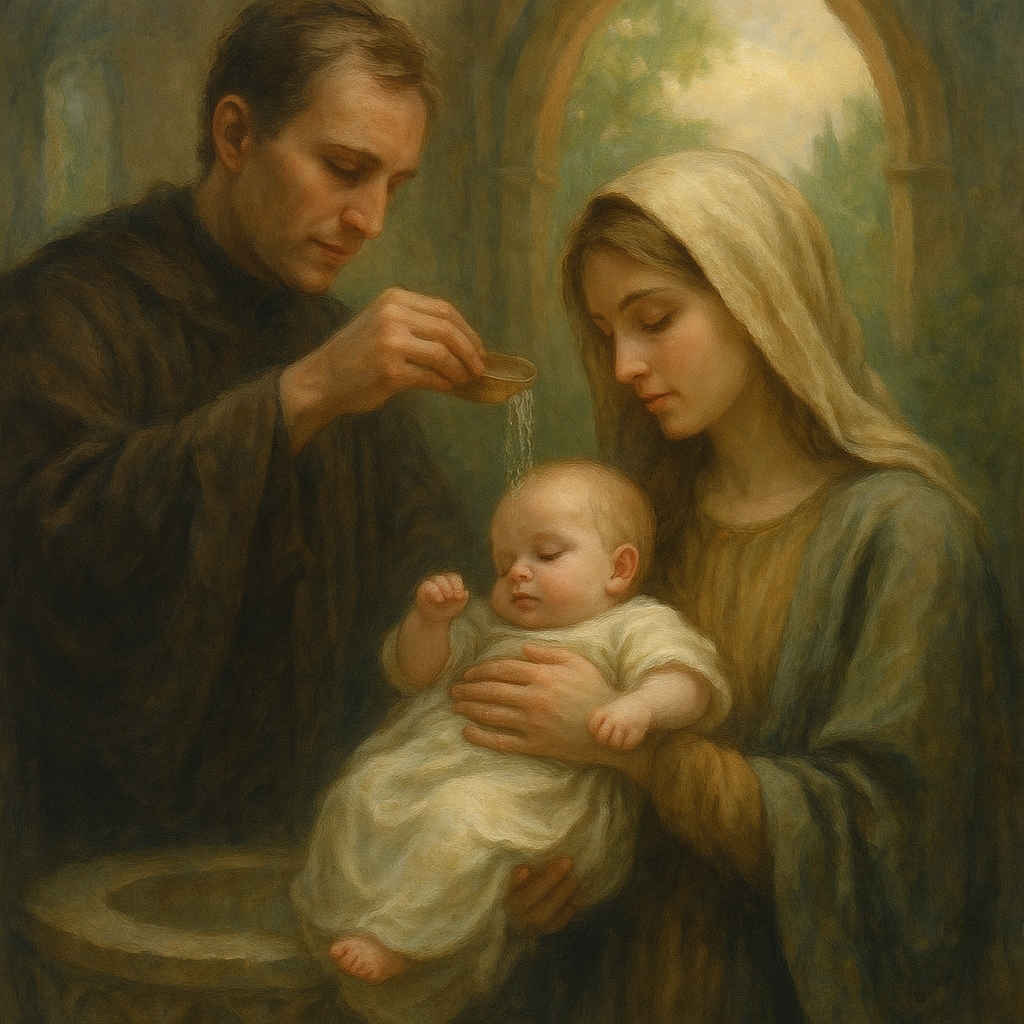
Covenantal Infant Baptism remains a polarizing topic within Christian communities, particularly in the Reformed tradition. This practice signifies the inclusion of children in the covenant community, drawing parallels between the Old Testament covenant of grace and the New Testament church. It asserts that just as circumcision marked a child’s inclusion in God’s covenant with Israel, so too does baptism serve as the New Covenant sign for believers and their children. This article will examine the theological underpinnings of Covenantal Infant Baptism, its biblical support, and the implications for the life of the church and its families.
Understanding Covenant Theology
Covenant Theology, a cornerstone of Reformed Theology, emphasizes the biblical covenants as a framework for understanding God's relationship with humanity. Key figures within Reformed circles, such as John Calvin and Louis Berkhof, assert that God’s dealings with humanity are covenantal in nature. Calvin, for instance, posited that God's interaction with His people is consistent throughout redemptive history.
The covenant of grace, signified through various dispensations, includes all believers and their offspring. This understanding is critical in supporting the practice of infant baptism, as it recognizes that children of believers are not outsiders but included in God’s promises (Acts 2:39). The Reformed tradition teaches that God's covenant is multi-generational, extending His grace to the children of believers as an essential element of the community of faith.
Biblical Foundations for Infant Baptism
A vital aspect of defending Covenantal Infant Baptism is its strong biblical foundation. The New Testament emphasizes that baptism is intrinsically linked to the notion of covenant, following the precedent established in the Old Testament. In Colossians 2:11-12, Paul draws a parallel between circumcision and baptism, explicating that just as circumcision was administered to infants, so too should baptism be granted to infants of believing parents.
Additionally, many instances throughout Scripture reinforce this concept. In Acts 16:15, we see Lydia and her household baptized, and in Acts 16:33, the Philippian jailer and his entire household also receive baptism. These passages lend credence to the argument that baptism encompasses not just individuals in faith but their families, thereby including infants.
Historical Context of Infant Baptism in Reformed Theology
Historically, the practice of infant baptism in the Reformed tradition finds its roots in early Christianity and has been robustly defended by theologians such as Charles Hodge and R.C. Sproul. Hodge argues that the continuity of God’s covenant with His people necessitates the extension of baptism to infants, as it marks them as members of the church and recipients of God's promises.
R.C. Sproul similarly contends that the Reformed understanding of baptism alleviates the notion that faith is solely a prerequisite for the sacrament. Instead, it posits that baptism serves as a means of grace, implanting the covenantal identity within a child even before they can articulate their faith. Importantly, this practice also fosters a communal responsibility among believers to raise these children in the knowledge and fear of the Lord, aligning with the exhortation of Ephesians 6:4.
The Implications for Church and Family
The decision to practice Covenantal Infant Baptism carries significant implications for both the church and Christian families. On one hand, it emphasizes the importance of community in nurturing the next generation in the faith, as parents are encouraged to take an active role in the spiritual upbringing of their children. The church is called to provide support, teaching, and guidance to ensure that children raised in covenant households fully understand their identity in Christ.
On the other hand, Covenantal Infant Baptism also carries a responsibility for the congregation at large. As identified by Berkhof, it reinforces the idea that the church is a covenant community that nurtures faith across generations. This communal aspect cultivates a culture of discipleship and accountability, urging the church to prioritize children as part of its mission. The biblical instruction of Deuteronomy 6:6-7 serves as a reminder to impart faith to the next generation, highlighting the covenantal significance of baptism in the life of the community.
Part of Covenant Theology — this practice flows from the continuity described in Old Covenant vs. New Covenant.
Key Takeaways
- Covenant theology establishes a framework for understanding God's relationship with humanity.
- Infant baptism is biblically supported, drawing parallels with circumcision and household baptisms in the New Testament.
- Reformed theologians demonstrate a historical defense of infant baptism, emphasizing continuity in God’s covenant.
- The practice nurtures a collective responsibility among families and the church to raise children in biblical faith.
Reflective Question: In what ways can your church further embrace the covenantal responsibilities of nurturing the faith of the next generation?
Further Reading
- Calvin, John. Institutes of the Christian Religion.
- Berkhof, Louis. Systematic Theology.
- Hodge, Charles. Systematic Theology.
About the Author
Enjoyed this? Support the writers keeping CrazyChurch.net running and spreading the word.
Buy Us a Coffee