What Is the Covenant of Grace? God's Promise of Salvation Explained
John Barron
•• 2 min read
Share:
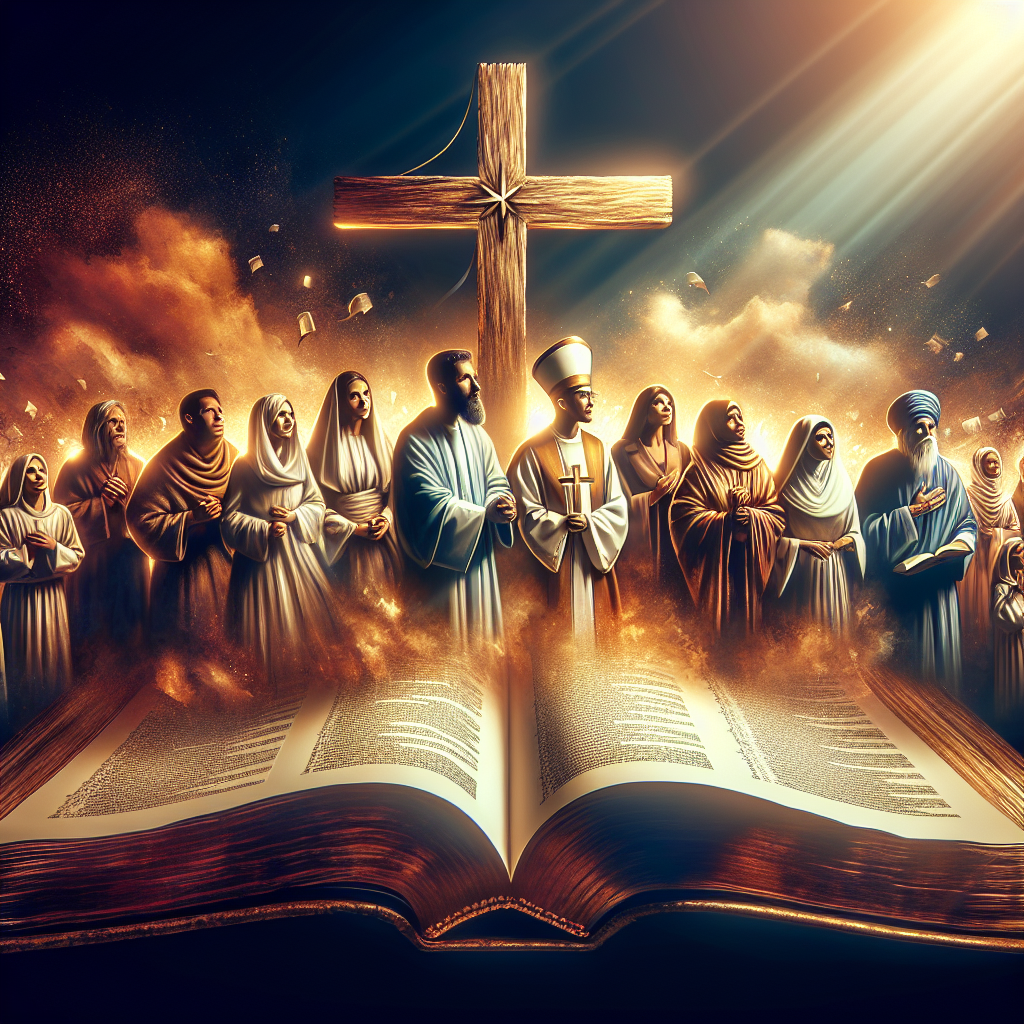
Understanding the Covenant of Grace
The Covenant of Grace is a central tenet in Reformed Theology that emphasizes God's promise to redeem His people through faith in Jesus Christ. This covenant is characterized by God's unwavering commitment to save humanity, underscoring the relational aspect of divine grace.
Historical Context
- John Calvin: In his Institutes of the Christian Religion, Calvin explains that the Covenant of Grace is fundamentally a promise that God makes to His elect, ensuring their salvation.
- Herman Bavinck: In the Reformed Dogmatics, Bavinck elaborates on the unfolding of this covenant throughout Scripture, highlighting its continuity from the Old Testament to the New Testament.
- R.C. Sproul: Sproul emphasizes that the Covenant of Grace is not merely a New Testament concept but has roots in the Old Testament, where God's covenants with Israel foreshadow the ultimate fulfillment in Christ.
Key Components of the Covenant of Grace
- Unconditional Promise: God initiates the covenant, offering grace without conditions that humans must meet (Ephesians 2:8-9).
- Faith: The response required from humanity is faith, acknowledging Christ as Savior (Romans 3:22).
- Fulfillment in Christ: Jesus embodies the fulfillment of the Covenant of Grace, as He is the mediator through whom the promises are realized (Hebrews 9:15).
- Community Aspect: The covenant includes not just individuals but also the community of believers, emphasizing the collective aspect of salvation (Ephesians 2:19-22).
Part of Covenant Theology — see also the Covenant of Works it answers, and the Covenant of Redemption behind it.
Key Takeaways
- The Covenant of Grace reflects God’s faithful commitment to His people.
- It encompasses both the Old and New Testaments, revealing God’s plan for redemption.
- The central role of faith in human response highlights the grace of the covenant.
In reflecting on the Covenant of Grace, how does recognizing it as a divine promise shape our understanding of God’s relationship with humanity?
References
- ESV Bible
- Calvin, John. Institutes of the Christian Religion
- Bavinck, Herman. Reformed Dogmatics
- Sproul, R.C. What is Reformed Theology?
About the Author
J
John BarronEnjoyed this? Support the writers keeping CrazyChurch.net running and spreading the word.
Buy Us a Coffee